SPATIAL BIOLOGY
What is it?
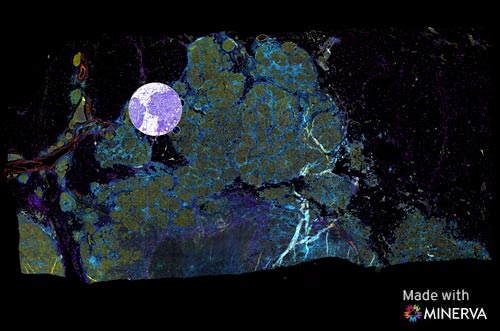
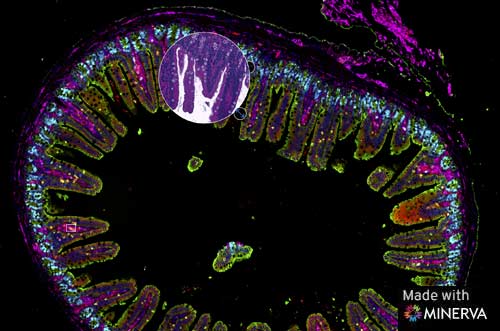
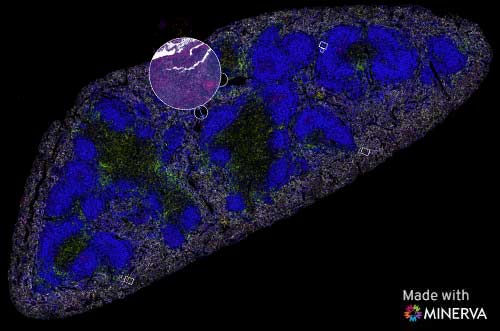
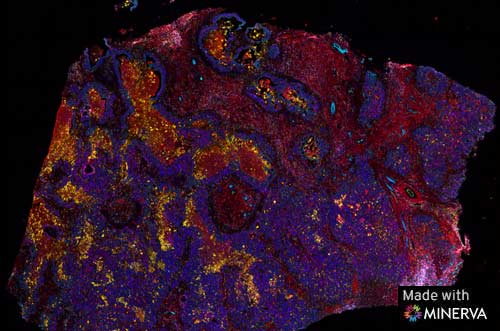
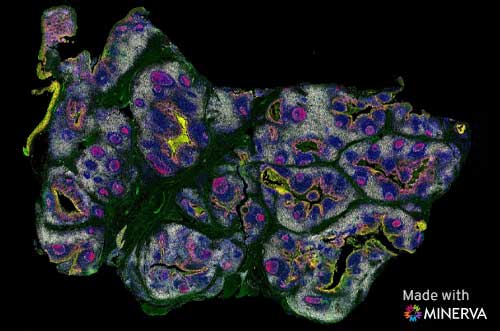
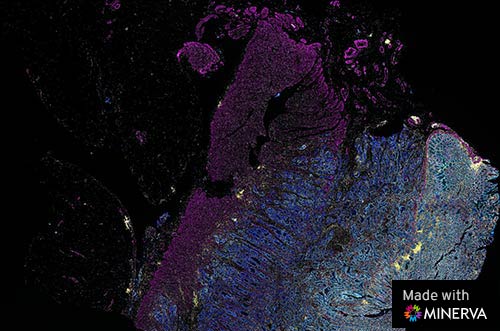
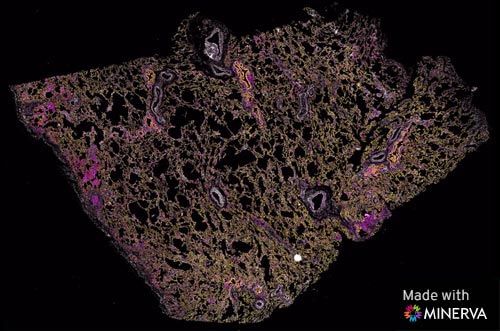
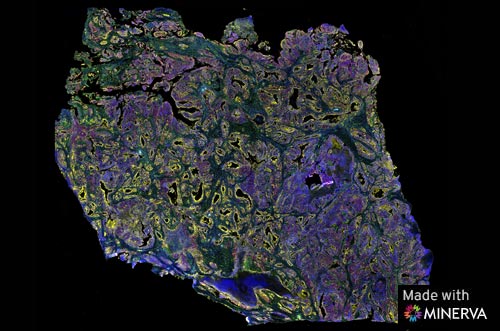
Spatial biology is a field of study that examines how cells and molecules are organized and interact within and across tissues in 2D or 3D space. It uses advanced technologies to visualize molecules in their unique contexts, and to analyze the real-time molecular behavior of multiple markers. This allows spatial biologists to piece together a larger picture of cellular and tissue function, and to understand mechanisms and functions that might not be fully understood without their structural context.
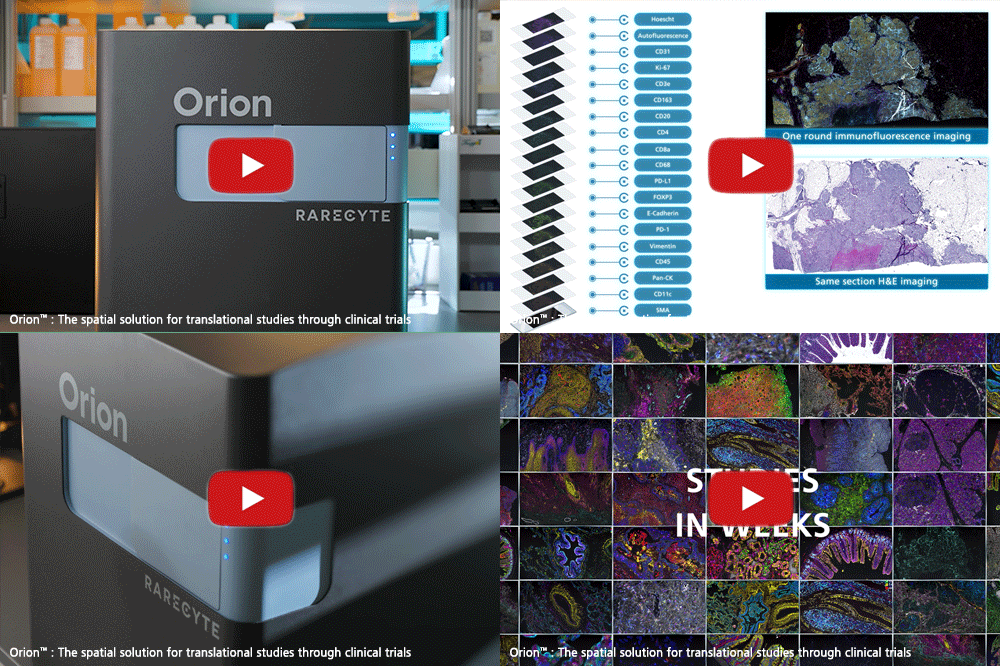
Spatial biology is considered the new frontier of molecular biology. It's similar to how GPS captures location coordinates to create a map, but on a cellular and molecular level. This technology allows researchers to map the spatial architecture of a cell, and to see how it interacts with its surroundings.
Recent advances in sequencing, mass spectrometry, and imaging technologies have led to the development of new techniques and research areas in spatial biology. This powerful, new dimension is promising for translational and clinical studies, and has great potential to aid more effective patient therapeutic strategies.